What Does a Healthcare Furniture Dealer Do?
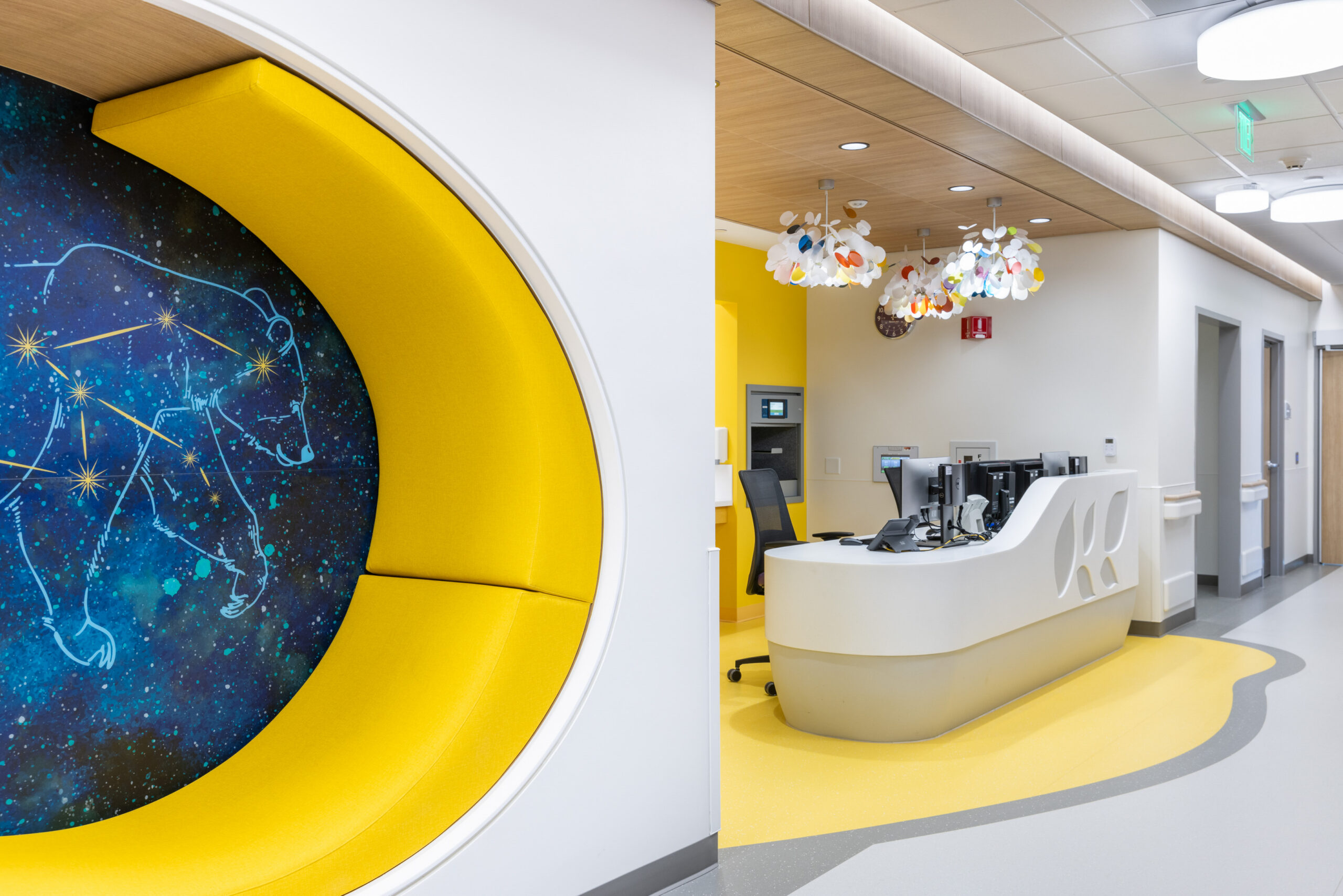
COR helps facilities plan, specify, procure, deliver, and install furniture and interior solutions across patient, clinician, staff, and public spaces. In addition, we coordinate with facilities’ design teams, contractors, and other project partners so furniture, casework, logistics, and installation align with clinical operations and the project schedule.
Can Furniture Be Installed in an Occupied Healthcare Facility?
It can, depending on the facility requirements and project scope. Healthcare renovations often require phased deliveries and installations around active departments, sensitive spaces, and facilities that operate around the clock. Careful planning informed by experience helps manage access, staging, sequencing, and disruption to patients and care teams.
What Types of Healthcare Spaces Does COR Furnish?
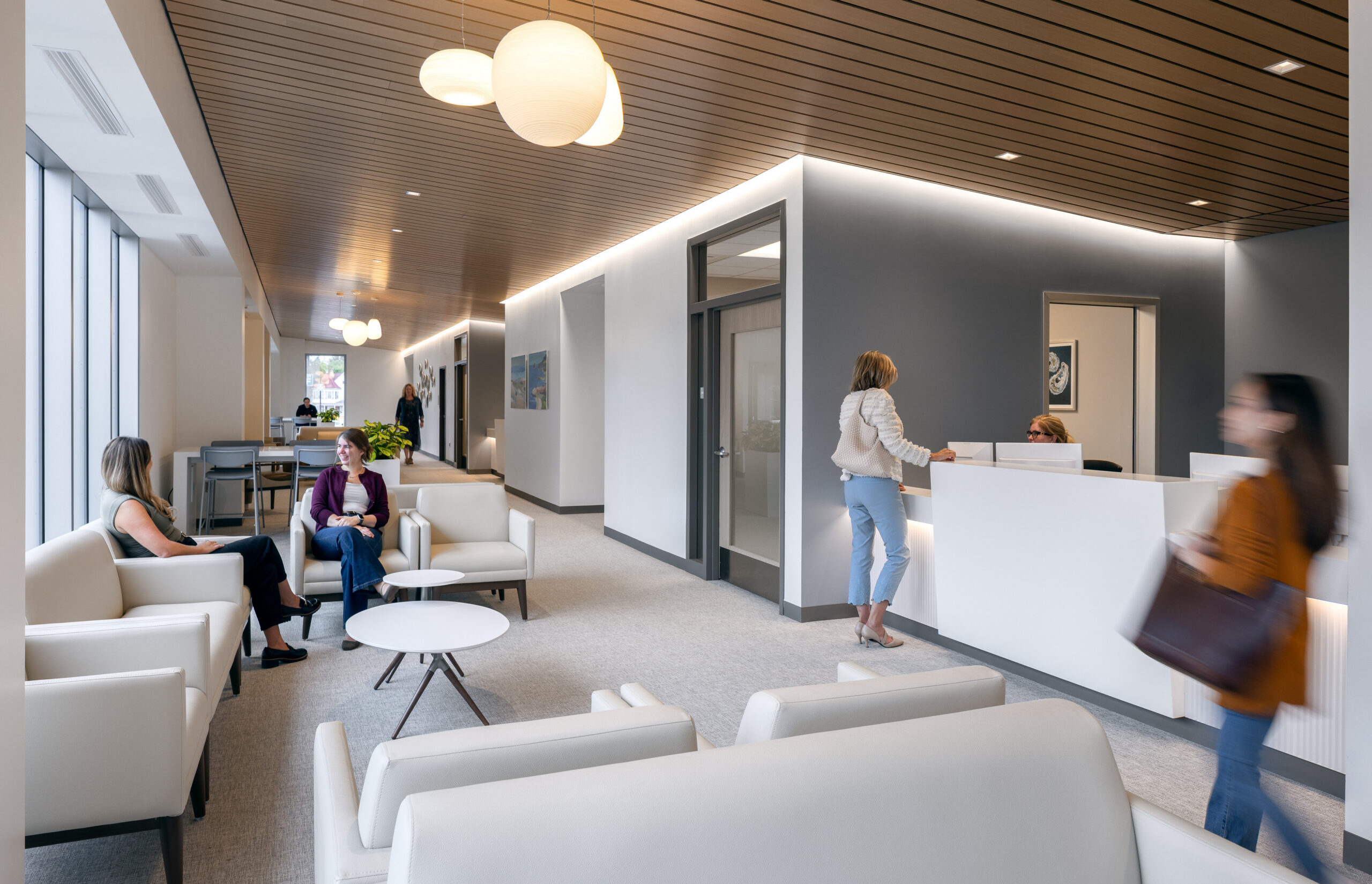
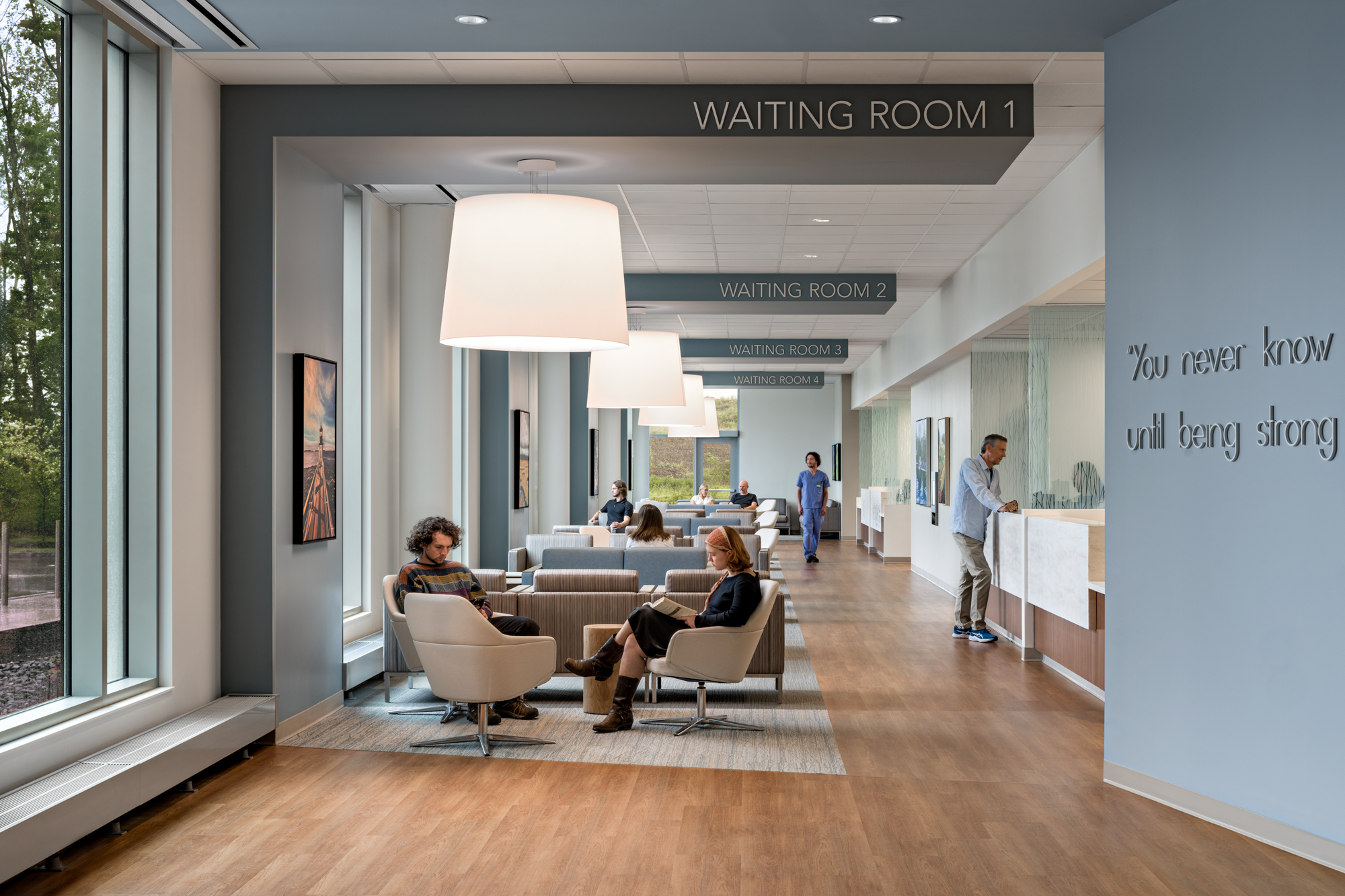
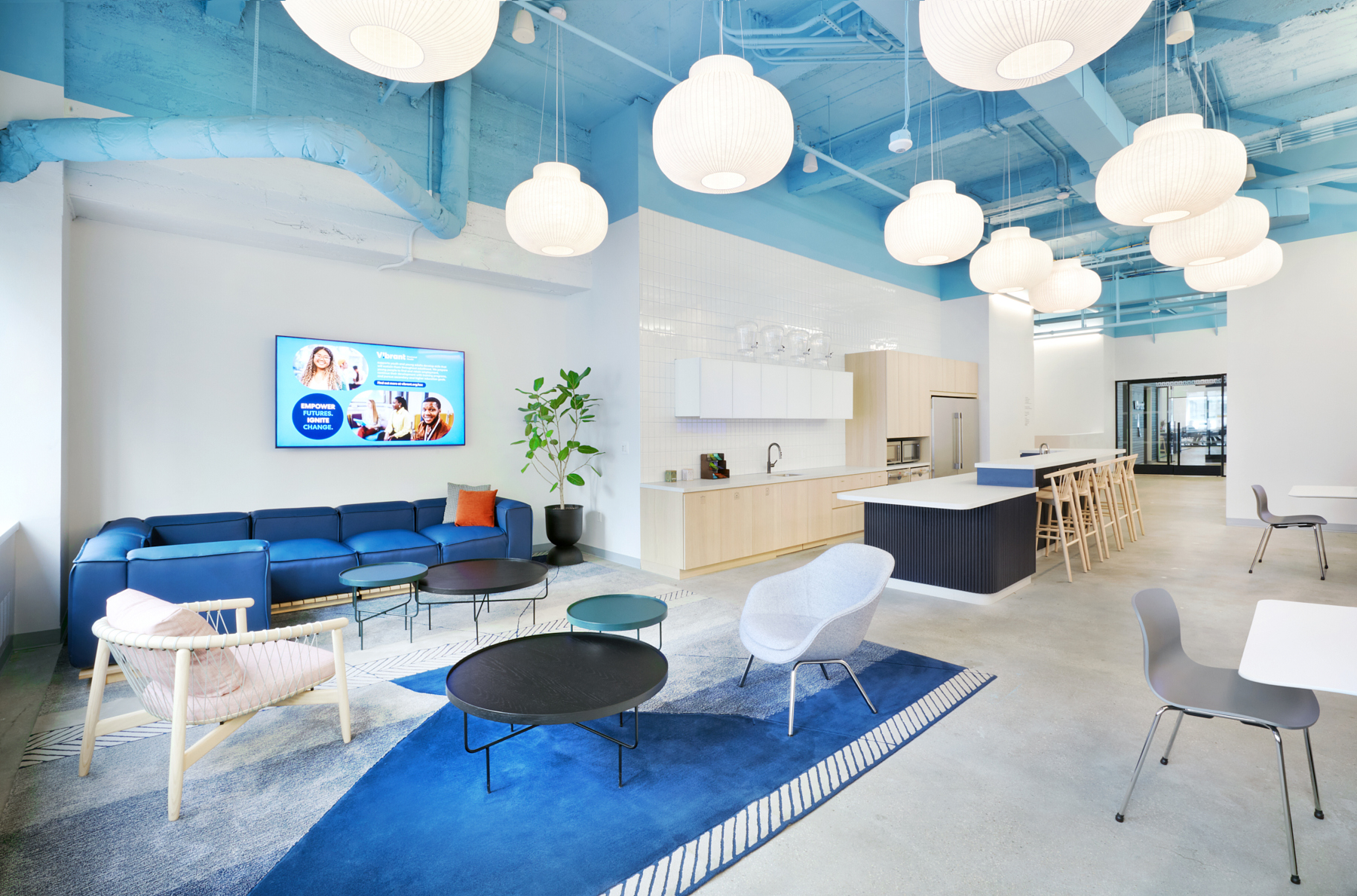
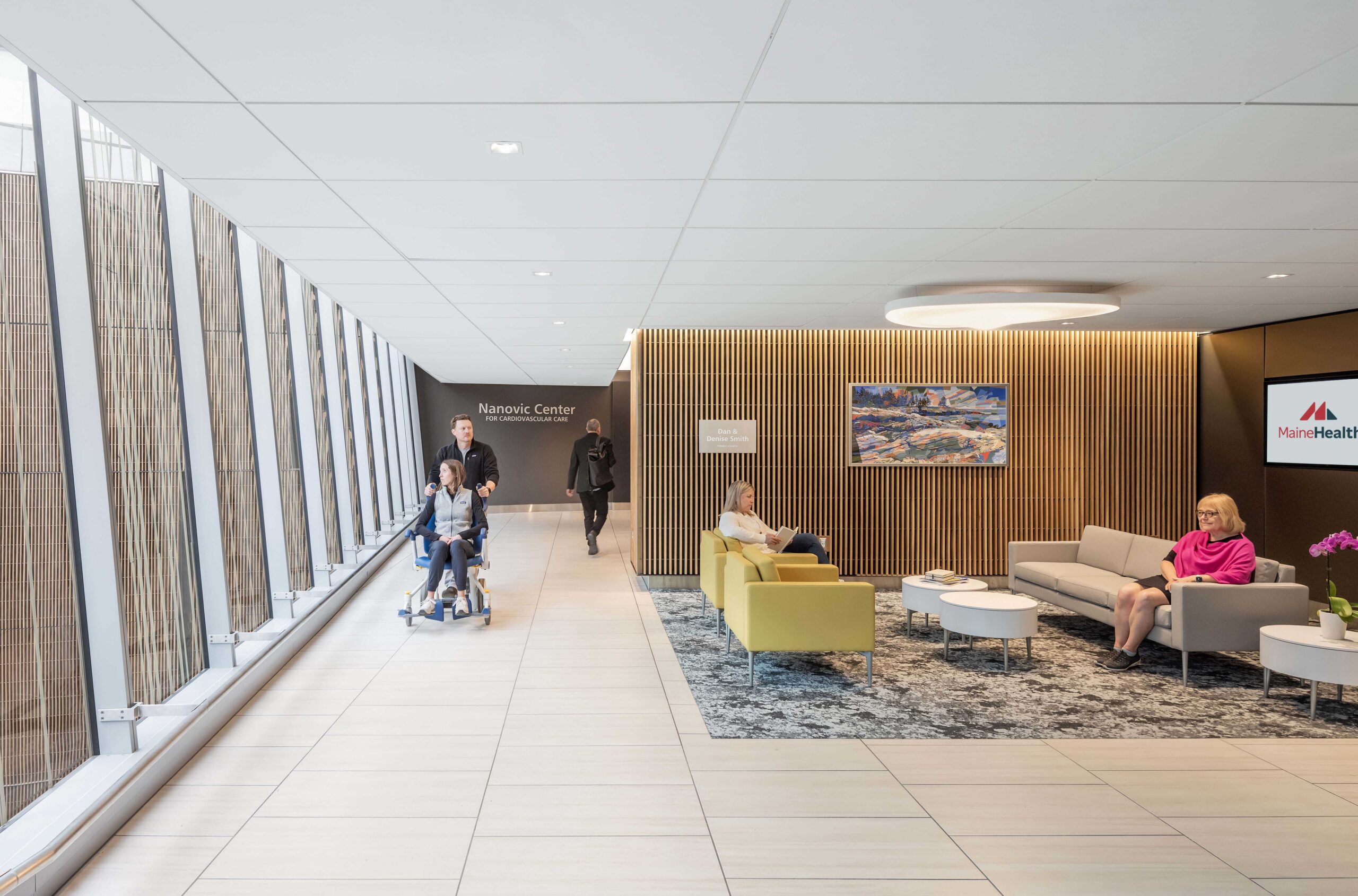
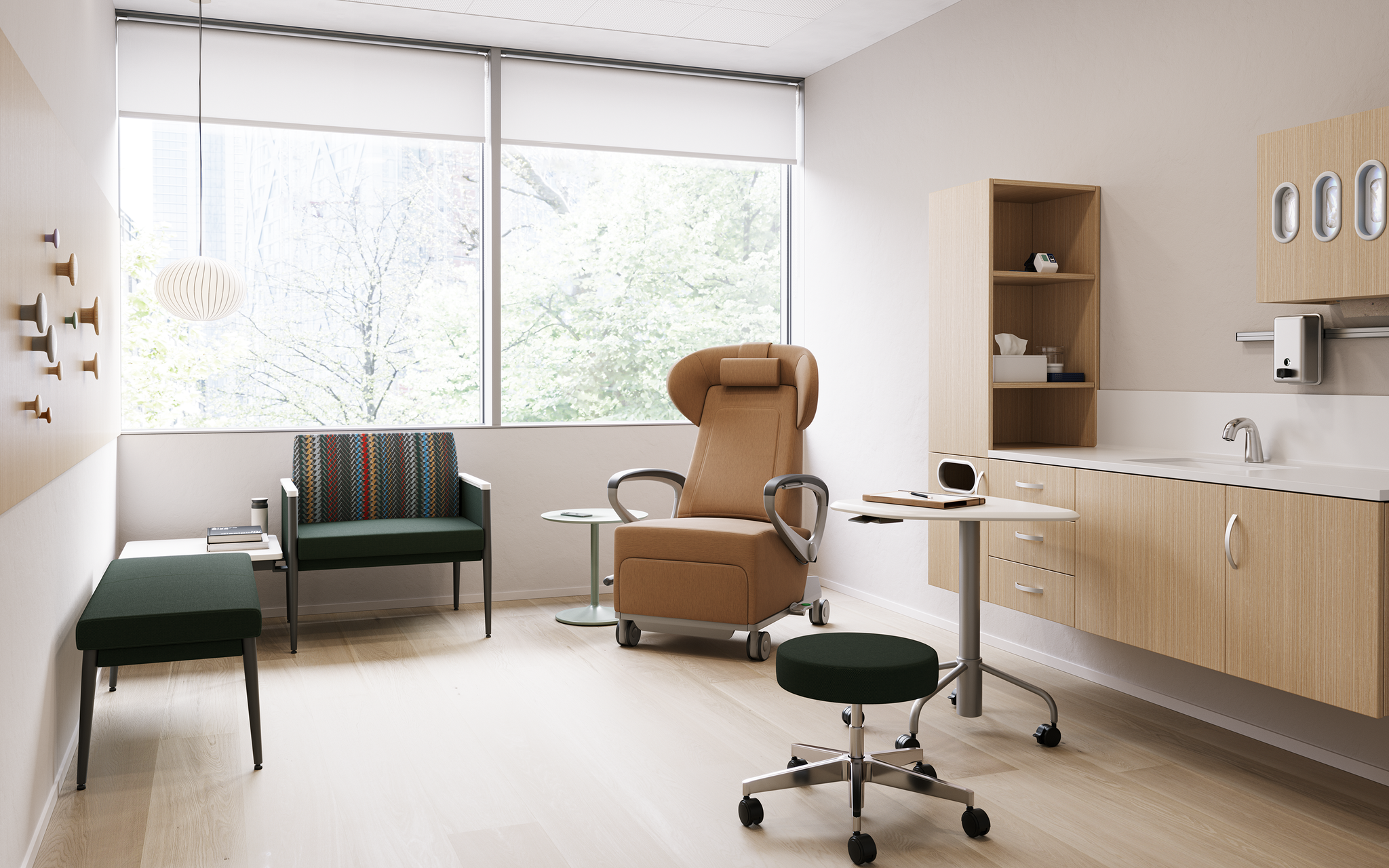
Our teams support the full spectrum of care spaces, including hospitals, clinics, ambulatory facilities, behavioral health environments, patient rooms, waiting areas, clinician workspaces, staff areas, administrative settings, and laboratories.
What Should Healthcare Organizations Consider When Selecting Furniture?
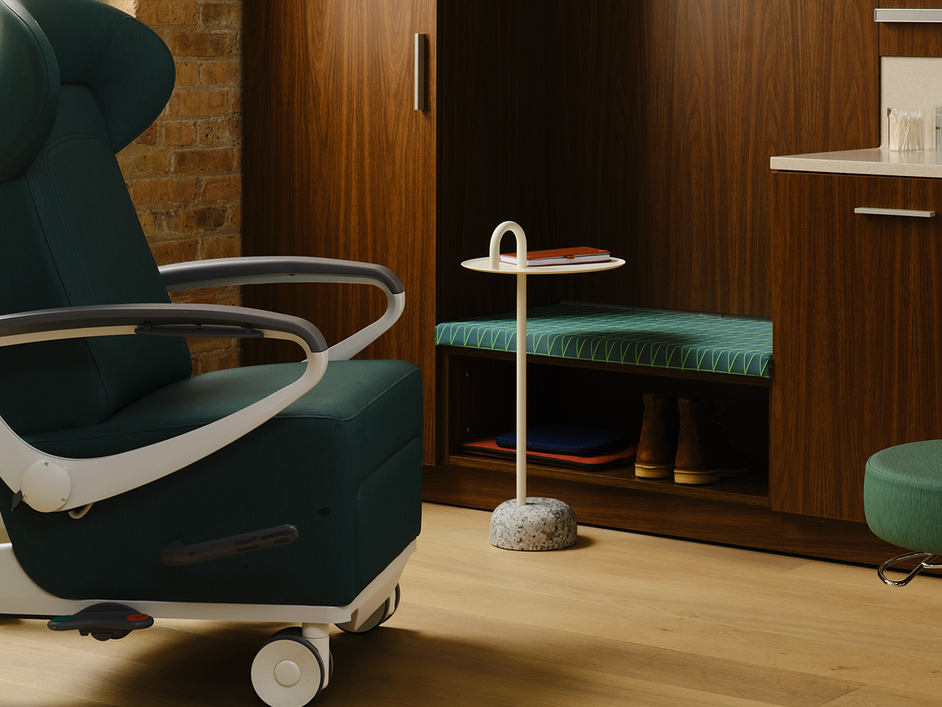
Healthcare furniture should be evaluated for cleanability, durability, accessibility, safety, comfort, maintenance, clinical workflow, and the ability to adapt as needs change. Requirements also vary considerably between spaces such as patient rooms, waiting areas, clinician workspaces, and staff environments.
How Does Modular Casework Compare With Traditional Millwork?
Modular casework can reduce on-site construction activity and can be reconfigured as facility needs change. Herman Miller customer research has found that its modular casework solutions install 65% faster on average than fixed casework.
Which Healthcare Furniture Manufacturers Does COR Work With?
COR is a MillerKnoll Certified Dealer and works with a broad group of healthcare furniture manufacturers and partners outside of the MillerKnoll collective of brands. Product recommendations are based on the requirements of the space, performance needs, budget, and design intent.